


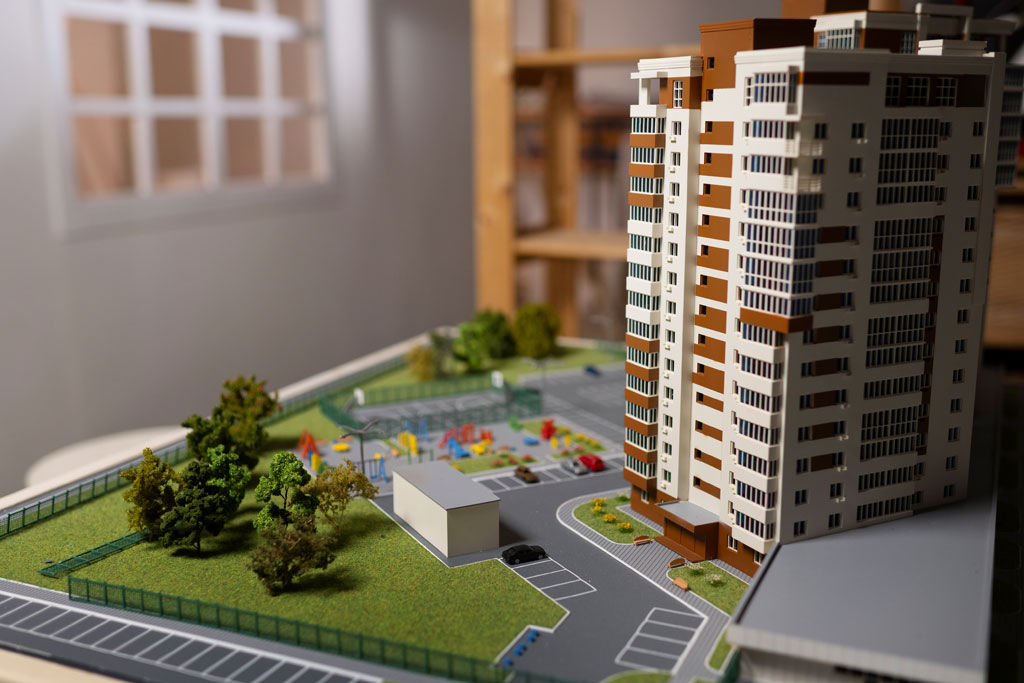
Residential and commercial complexes are the backbone of modern cities. Proper infrastructure is essential not just for aesthetic appeal but also for safety, functionality, and long-term sustainability. Across Asia, the Middle East, and Africa, rapid urbanization and economic growth are driving the need for high-quality residential and commercial infrastructure development.
DMI Group, a leading provider of construction services, specializes in building durable residential and commercial complexes with advanced solutions along with state of the art earthmoving equipment ensuring projects meet the highest standards and timely delivery.
Why Infrastructure Matters in Residential and Commercial Complexes ?
- ➤ Structural Integrity and Safety
A well-planned foundation ensures buildings can withstand environmental pressures such as soil movement, heavy rainfall, or seismic activity. Techniques like piling services provide strong support, while hydraulic equipment in Oman, Africa, and the Middle East enable precise operation of construction machinery. - ➤ Utility and Amenities Integration
Proper infrastructure planning integrates essential utilities like electricity, water, waste management, and HVAC systems, ensuring smooth operation and convenience for residents and businesses. - ➤ Traffic and Accessibility Planning
Roads, parking, walkways, and public access routes must be designed for easy movement. This is crucial in high-density areas in Asia, the Middle East, and Africa, where traffic flow and accessibility impact the overall functionality of the complex. - ➤ Sustainability and Energy Efficiency
Modern residential and commercial complexes increasingly adopt eco-friendly designs, including solar energy, rainwater harvesting, and efficient waste management systems, aligning with sustainable government construction services initiatives. - ➤ Community and Commercial Integration
Mixed-use complexes require infrastructure that supports both residential comfort and commercial functionality. Proper layout planning ensures harmonious integration of homes, offices, shops, and public spaces.
Challenges in Residential and Commercial Infrastructure Development
Constructing large-scale complexes in Asia, the Middle East, and Africa comes with unique challenges:
- ➤ Diverse soil conditions requiring strong foundations
- ➤ Strict government regulations and approvals
- ➤ Budget management for large-scale projects
- ➤ Coordination between multiple contractors and service providers
DMI Group overcomes these challenges with its expertise in piling services, hydraulic parts and assembly, and comprehensive government construction services, delivering projects that are safe, durable, and on schedule.
Modern Trends in Residential and Commercial Construction
- ➤ Smart Buildings: Integration of IoT devices, automated lighting, and security systems.
- ➤ Disaster-Resistant Design: Structures designed to handle floods, earthquakes, and extreme weather conditions.
- ➤ Flexible and Modular Spaces: Commercial and residential areas designed for adaptability and future expansion.
- ➤ Sustainable Practices: Use of eco-friendly materials, energy-efficient systems, and green spaces.